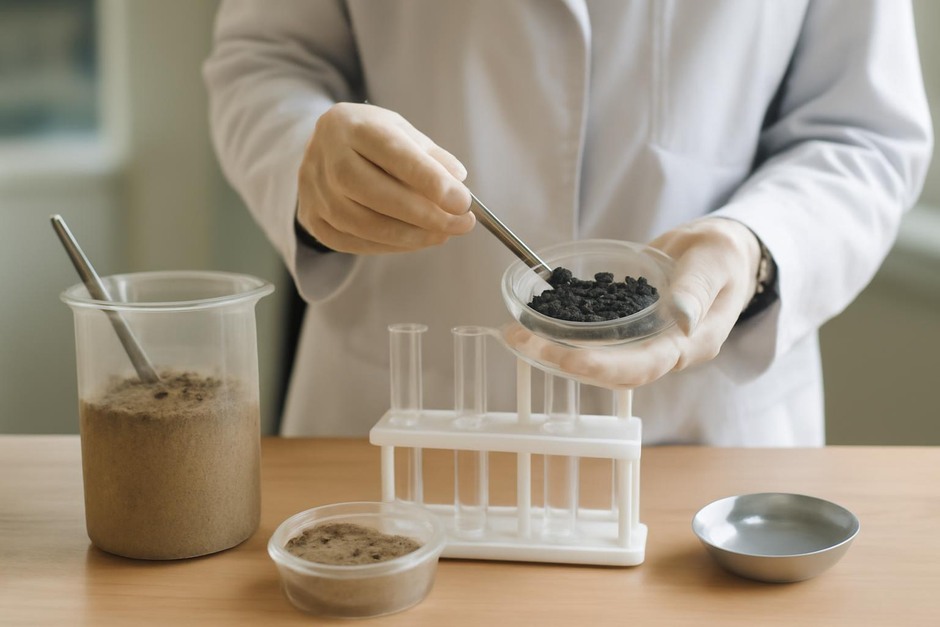
Two Paths to the Past: Radiocarbon vs. Luminescence Dating and How to Choose
Introduction: two laboratory windows on time
Reconstructing past landscapes and human activity depends on accurate dates. Two laboratory approaches dominate modern fieldwork: radiocarbon (commonly called C-14) dating, which measures the decay of a radioactive isotope in organic matter, and luminescence dating (including optically stimulated luminescence, OSL, and thermoluminescence, TL), which measures the last time mineral grains were exposed to light or heat. Both have deep histories and distinct practical niches. Below we compare how they work, what they reveal, and how to decide which to use in a given project.
Comparing the approaches
Radiocarbon dating: origins, principle, and practicalities
Radiocarbon dating emerged in the mid-20th century and quickly transformed archaeology and Quaternary science. The method relies on measuring the decay of carbon-14, a radioactive isotope incorporated into living organisms. When an organism dies, it stops exchanging carbon with the atmosphere and the C-14 begins to decay at a known rate. Measuring the remaining C-14 gives an age estimate.
- Typical sample types: charcoal, bone collagen, shell (with caution), peat, seeds, textile fibers.
- Effective age range: up to about 50,000 years for routine measurements; precision is best within the last 10,000–20,000 years.
- Strengths: direct dating of organic materials, well-established calibration curves to convert radiocarbon years to calendar years, widespread laboratory availability.
- Limitations: contamination (modern carbon or conservation chemicals), reservoir effects (marine or freshwater organisms can appear older), and the need for suitable organic material.
Luminescence dating (OSL/TL): origins, principle, and practicalities
Luminescence dating arose later as a way to date the last time mineral grains—typically quartz or feldspar—were exposed to sunlight or heat. Environmental radiation slowly traps electrons in crystal defects. Exposure to light (or heating) releases those trapped electrons; measuring the stored charge in a laboratory setting yields the time elapsed since that last exposure.
- Typical sample types: buried sediments (sand and silt), ceramics (TL), and sediments associated with archaeological layers.
- Effective age range: from a few decades up to several hundred thousand years, depending on signal and dose rate.
- Strengths: dates depositional events directly (when sediment was last exposed to light), useful where organic material is absent, and complementary to radiocarbon across older time spans.
- Limitations: incomplete bleaching (grains not fully reset before burial) can produce anomalously old ages, sensitivity to environmental dose-rate changes, and more specialized sample collection and lab procedures.
How the methods compare in practice
- What is dated: radiocarbon dates the death of organic matter or fixation of carbon; luminescence dates the last exposure of mineral grains to light or heat.
- Context sensitivity: radiocarbon is sensitive to inbuilt age (old wood effect) and contamination; luminescence is sensitive to depositional processes and bleaching.
- Age coverage: radiocarbon is best for late Pleistocene–Holocene; luminescence extends both younger (decades) and older (hundreds of thousands of years) in many contexts.
- Laboratory complexity: both require careful sampling, but luminescence often needs light-tight collection and more specialized equipment to measure trapped charge.
Guidance: choosing between radiocarbon and luminescence
Choosing the right method is less about picking a single “best” technique and more about matching questions, materials, and site formation processes to method strengths.
When to prefer radiocarbon
- Organic material is available and demonstrably in primary context (charcoal from a hearth, short-lived seeds, articulated bone with minimal diagenesis).
- The research question targets human activity or organic events within the last ~50,000 years and requires calibrated calendar ages.
- There is capacity to address reservoir effects (e.g., paired terrestrial and marine samples) and to perform pre-treatment to remove contamination.
When to prefer luminescence
- Dating depositional events such as burial of sand layers, dunes, fluvial deposits, or sediments lacking suitable organics.
- The target age lies beyond reliable radiocarbon range or when direct dating of the sedimentary event is more appropriate than dating associated organics.
- Field conditions allow for light-safe sampling and there is access to a lab experienced with bleaching assessments and dose-rate modeling.
Best practice: combine methods
When possible, use both approaches to cross-check ages. Paired radiocarbon and luminescence dates can reveal post-depositional mixing, old wood effects, or incomplete bleaching. Thoughtful sampling—selecting short-lived plant material for C-14 and freshly buried sediments for luminescence—helps build a robust chronological framework.
Ultimately, the right choice depends on what you have in the field and the nature of the question: radiocarbon for directly dating organic life events, luminescence for dating the last light exposure of sediments. Combined application, informed by site formation understanding, yields the clearest view into the past.